
The short answer
A heat pump can replace both your furnace and air conditioner in a Monte Sereno home, and the region's mild winters suit how heat pumps work. The key is correct sizing, a clear look at your ductwork and electrical panel, and accurate information on current rules and incentives before you commit.
Many Monte Sereno homeowners are weighing a heat pump for one of two reasons: an older furnace or air conditioner is near the end of its life, or they want one system that handles both heating and cooling. RapidBreeze HVAC Repair Service installs heat pumps in Monte Sereno from our base in San Jose, about seven miles away. We size each system to the specific house, explain the trade-offs between equipment types, and give you current information on Bay Area rules and incentives so you can plan on your own schedule.
Why Heat Pumps Fit Monte Sereno Homes
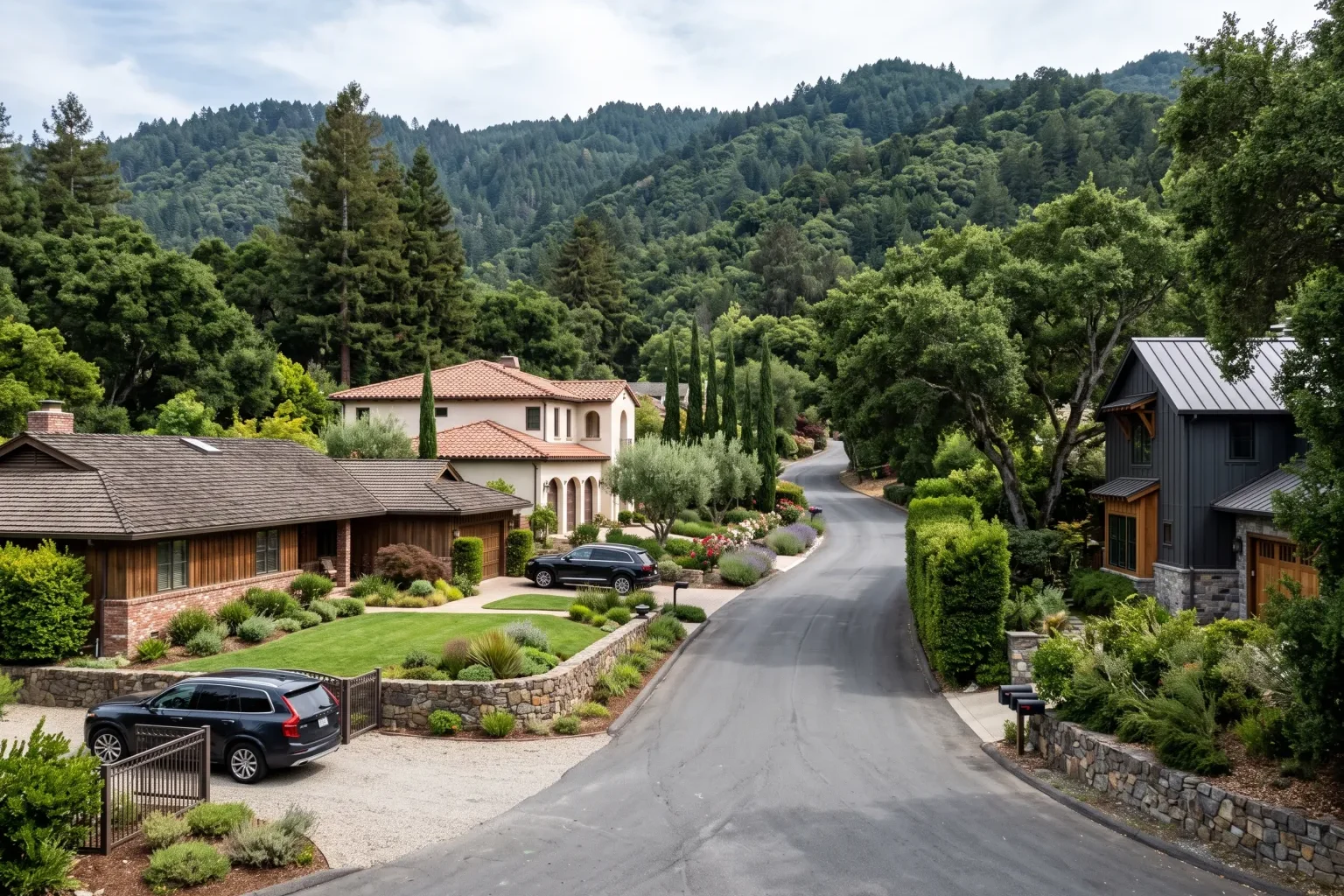
The Santa Clara Valley has a Mediterranean climate with dry summers and mild, damp winters. That pattern suits heat pumps well. Winter nights rarely get cold enough to strain a modern unit, so it can carry the full heating load without backup heat in most homes. In summer, the same equipment runs in reverse as a central air conditioner.
Summer conditions vary across the valley. Inland and southern areas run noticeably hotter than neighborhoods near the Bay, so a Monte Sereno home can need more cooling capacity than a similar-sized house closer to the water. We account for that when sizing, rather than relying on a rule of thumb based on square footage alone.
What We Check Before Recommending a System
A heat pump that is too large short-cycles and controls humidity poorly. One that is too small runs constantly on the hottest afternoons. Before we recommend equipment, we look at the house itself.
- Room-by-room heating and cooling load, including window area, sun exposure, insulation, and ceiling heights
- Condition, size, and layout of existing ductwork, and whether it leaks or needs changes for the new airflow
- Electrical panel capacity and whether a dedicated circuit or panel work is needed
- A suitable outdoor location for the condenser, with attention to airflow, noise near bedrooms and neighbors, and service access
- Where the indoor air handler or existing furnace cabinet sits, and how drainage will be routed
- Rooms that are hard to keep comfortable now, such as additions, upstairs bedrooms, or converted garages
Ducted, Ductless, or Dual-Fuel
If your home already has ductwork in reasonable shape, a ducted heat pump is usually the simplest swap. It connects to your existing ducts and takes the place of the furnace and the outdoor AC unit.
Ductless mini-split systems work well for homes without ducts, for additions, or for rooms the central system never reaches well. One outdoor unit can serve several indoor heads, and each room gets its own temperature control.
Some homeowners prefer a dual-fuel setup that pairs a heat pump with a gas furnace for backup. We will explain how that compares with an all-electric system for your specific home, including how future furnace rules may affect that choice.
Rules, Incentives, and Timing
Under Bay Area Air District Rule 9-4, natural gas furnaces manufactured from 2029 must meet a zero-NOx emission standard. In practice, that points homeowners toward heat pumps when a furnace is replaced after that date. The Air District rules do not require you to replace equipment that still works. They apply only when an existing furnace or water heater fails or is replaced, so you can plan a change on your own timeline.
On incentives: the federal Energy Efficient Home Improvement Credit (25C) covered qualifying heat pumps placed in service before December 31, 2025. It is not available for installations after that date. Bay Area homeowners can still check BayREN and their local clean energy provider for heat pump and electrification incentives. Amounts and availability change by funding cycle, so we confirm the current offer before including it in any quote.
What Installation Looks Like
Once you choose a system, we schedule the work and walk you through each step. A typical ducted replacement includes removing the old equipment, setting the outdoor unit, installing or converting the indoor air handler, running refrigerant lines and wiring, and making any needed duct corrections. We then charge and test the system, check airflow, and show you how to use the thermostat in heating and cooling modes.
We serve Monte Sereno along with nearby Los Gatos, Saratoga, Campbell, Cupertino, and Santa Clara, so scheduling a visit is straightforward throughout this part of Santa Clara County.
More services in Monte Sereno
- AC Repair in Monte SerenoLocal service & repairs
- Heating Repair in Monte SerenoLocal service & repairs
- AC Installation in Monte SerenoLocal service & repairs
- Furnace Repair in Monte SerenoLocal service & repairs